
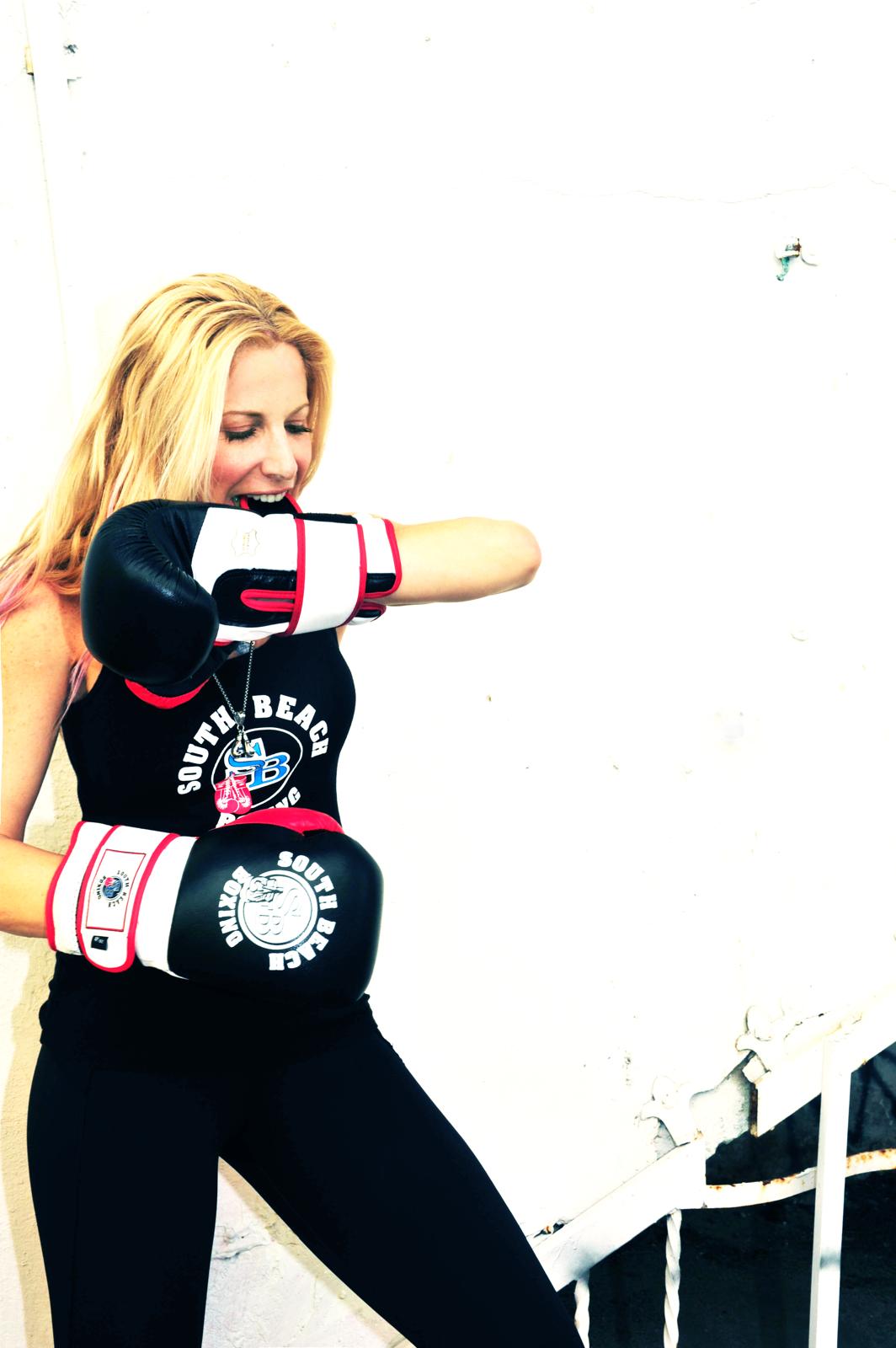
Guide to Hiring or Becoming a Boxing Trainer
Whether you are stepping into the ring for the first time or looking to sharpen your conditioning, the right boxing trainer makes all the difference. From perfecting your jab to building mental toughness, boxing trainers aren’t just coaches – they’re sculptors of strength, skill, and discipline. Here is what you need to know about working with, or becoming, a boxing coach.
What Is a Boxing Trainer?
A boxing trainer is a professional who prepares boxers – both amateur and professional – for competition and fitness. They focus on physical conditioning, technical form, ring strategy, and mental focus.
Responsibilities of a Boxing Trainer
- Teaching fundamental and advanced boxing technique
- Designing training routines tailored to individual goals
- Correcting form to prevent injury and maximize punching power
- Motivating boxers to push past plateaus
- Preparing fighters for sparring and competition
- Advising on conditioning, nutrition, and recovery
- Holding focus mitts and supervising sparring safely
Types of Boxing Trainers
- Personal boxing coach: Works 1-on-1 with clients on fitness, technique, and boxing fundamentals.
- Fight coach: Prepares amateur or professional fighters for competition.
- Group Fitness Boxing instructor: Leads boxing-inspired workouts in group class settings.
- Youth boxing coach: Works with kids and teens to build discipline, confidence, and basic mechanics.
Why Work with a Boxing Trainer?
You do not need to be an aspiring competitor to benefit from a boxing coach. Boxing is one of the most effective full-body workouts available, burning up to 800 calories per hour while developing cardiovascular endurance, coordination, and confidence.
Key Benefits
- Expert feedback: Real-time corrections on stance, footwork, and punching mechanics
- Personalized workouts: Training designed specifically around your fitness level and goals
- Accountability: Consistent motivation to keep you showing up
- Injury prevention: Proper guidance on wrapping hands and throwing punches safely
- Skill progression: Faster mastery of combinations, defense, and timing
What to Look for in a Boxing Trainer
Not every coach brings the same background or coaching style. Before committing to private training, evaluate these core qualities:
- Experience and credentials: Look for actual ring experience or recognized certifications (such as USA Boxing).
- Clear communication: They should break down complex footwork and punch combos into easy, actionable steps.
- Coaching style fit: Make sure their motivational approach matches how you learn best.
- Client feedback: Ask other gym members about their experience with the coach.
- Training facility: Ensure the gym environment is clean, well-equipped, and supportive.
How to Become a Boxing Trainer
If you want to coach fighters or teach boxing fitness, here is the standard roadmap to get started:
- Build real boxing experience: Spend years training in the gym, learning fundamentals, and ideally competing as an amateur.
- Earn certification: Complete credentials through organizations such as USA Boxing or reputable fitness associations.
- Obtain CPR/AED certification: Nearly every legitimate gym requires active safety certifications.
- Apprentice under an experienced coach: Learn the craft of holding mitts, pacing rounds, and teaching ring craft.
- Build your roster: Start by leading group classes and building one-on-one private training sessions.
What a 60-Minute Boxing Session Looks Like
While every coach tailors their routine, a standard 60-minute private session usually includes:
- 10 minutes: Warm-up (jump rope, dynamic stretching, footwork drills)
- 15 minutes: Technique drills (stance, jabs, crosses, hooks, defensive slips)
- 15 minutes: Pad work and combination drills with the coach
- 10 minutes: Conditioning (HIIT circuits, bodyweight work, core training)
- 10 minutes: Cool-down, stretching, and session review
Frequently Asked Questions About Boxing Trainers
How much does a boxing trainer cost?
Rates typically range from $50 to $150 per hour depending on location, coaching background, and session format.
Do I need my own gloves and wraps?
Gyms often have loaner gloves for your first session, but investing in your own hand wraps and gloves ensures proper hygiene, wrist support, and fit.
Can boxing training help with weight loss?
Yes. Boxing routines combine high-intensity cardio with resistance movements, helping you burn calories and build lean muscle.
Ready to Step into the Gym?
Whether you want to hire a coach, become one, or test your skills in class, expert instruction helps you train smarter and avoid bad habits. A qualified coach gives you the guidance needed to move with purpose and strengthen your body and mind.
Contact us today to book a consultation and find the right training path for your goals.